This volume is not available in digital form on our website at present. HSLC members receive a copy of this volume plus online access to this and other recent volumes through Liverpool University Press.

Contents

RESEARCH NOTES

The Hidage of the Pre-Conquest Estate of Bromborough, Wirral, by Rowan Patel
John Dalton in the Witness Box, by Rajkumari Williamson Jones and Terry Wyke

ARTICLES

Rossendale to Crewe: North-West Historians G.H. Tupling and W.H. Chaloner, by R.C. Richardson
Early Medieval Manchester, by John Blair
A Disputed Will and a Fracas in Rufford in 1620: Jane Hesketh and Her Inheritance, by David J. Breeze
Alcoholism, Domestic Violence and Murder: Assessing English Sentiments of Irish Immigrants in the Nineteenth Century, by Brandon Reece Taylorian
How Permanent is Permanent? The Case of the Liverpool Civic Service League, 1911–1921, by Pat Starkey
Secularisation in Local and Longitudinal Perspective: Churchgoing in Bolton Since c.1800, by Clive D. Field

Reviews of:
Hannah Barker, Carys Brown, Kate Gibson, Jeremy Gregory, Faith in the Town: Lay Religion in Northern England, 1740–1830
Peter N. Lindfield (ed.), The Intimacies of George Shaw (1810–76): Diaries and Letters of a Gothic Architect, Antiquary, and Forger
G.H. Bennett, The 1922 General Election Reconsidered: High Politics and the Birth of the Modern British Election
Iain Dale (ed.), British By-Elections 1769–2025: The 88 By-Election Campaigns That Shaped Our Politics
Adam Sisman, The Indefatigable Asa Briggs

Back

Journal Search

Enter keyword(s) in the box below to search all journal PDFs.
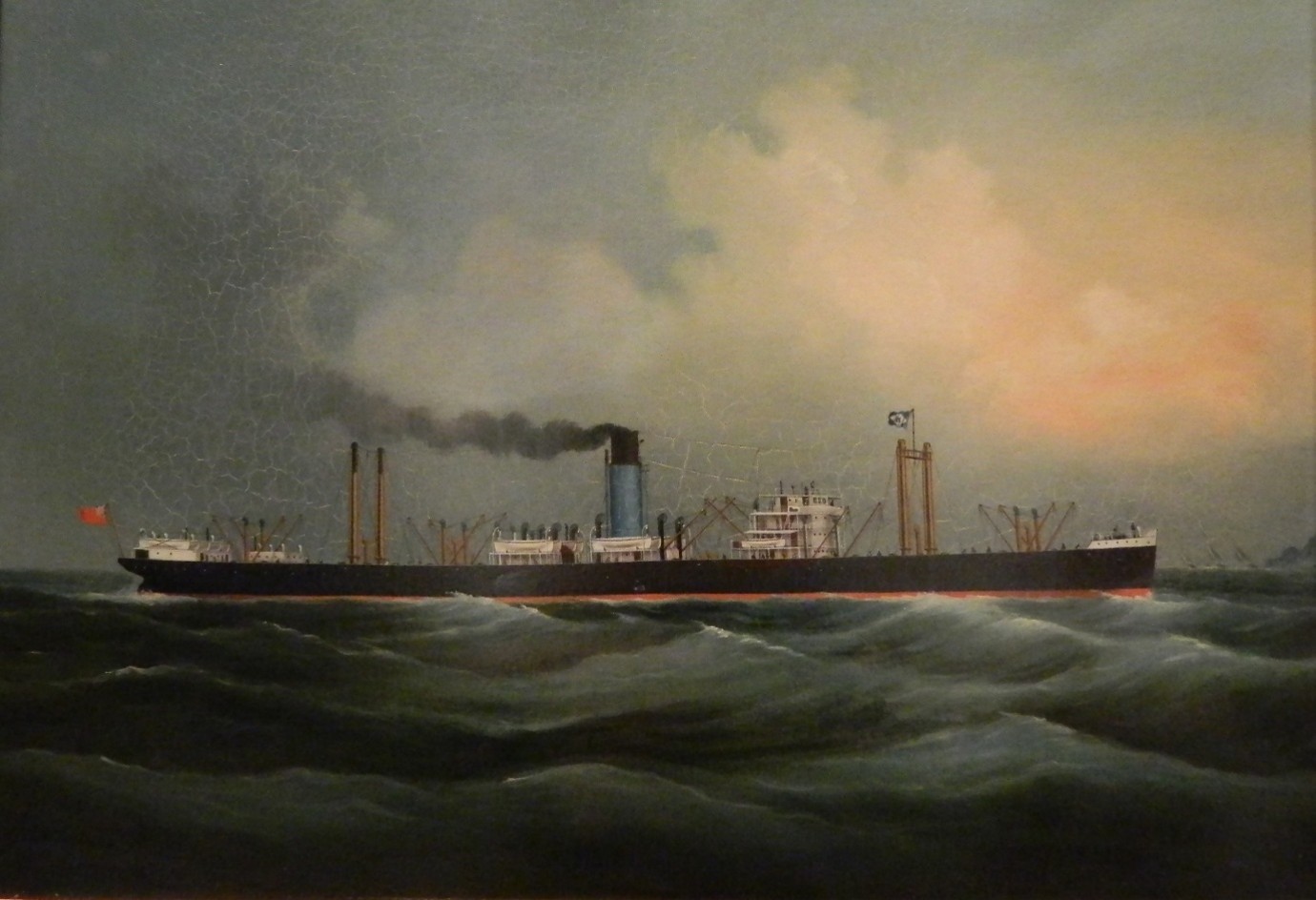
Painting of the 9,076 GRT Cyclops approaching Hong Kong. U-123 sank her in 1942 with the loss of 87 lives. The painting is in the Museum of Liverpool; the artist is unknown.

2-3pm, Wednesday 18 November 2026 (by Zoom)


Seeking employment as a Ship’s Surgeon c.1905, Irish medic J.J. Abraham was advised to find ‘a ship bound East… and one belonging to a good company… Liverpool’s the place! London’s not in it with Liverpool when it comes to shipping!’ Abraham’s subsequent voyage, documented in his best-selling travelogue first published in 1911, was on SS Clytemnestra of Liverpool’s Blue Funnel Line (Ocean Steam Ship Company [OSSCo] or Alfred Holt & Company). Blue Funnel’s takeover of Glasgow-based and Manchester-linked China Mutual in 1902 confirmed the Liverpool line’s position as the UK’s leading cargo carrier to the ‘Far East’. Simultaneously, Blue Funnel was central to the growth of Liverpool’s Chinatown reckoned twice as large as London’s by the early-twentieth century. Pioneering direct steamship services from the UK to China, from its inception and first voyages (1865-6) much of Blue Funnel’s activity was concentrated on the premiere, British-dominated treaty-port of Shanghai. However, in examining seaborne ‘Informal Empire’ to the outbreak of World War One, this talk also recognises the limits of Liverpool’s influence. Blue Funnel’s reach was circumscribed by its ambiguous position betwixt industrial and financial capitalism, and strained relations with London powerbrokers. Moreover, by the end of the nineteenth century, Liverpool’s shipowner elite confronted uncertainty in China arising from internal instability and international commercial and power-political rivalry from which Shanghai was not immune.

Professor Nick White: A former president of the Historic Society of Lancashire and Cheshire, Nick White is Professor of Imperial & Commonwealth History at Liverpool John Moores University and Co-Director of Liverpool’s Centre for Port & Maritime History. His previous publications include The Empire in One City? Liverpool’s Inconvenient Imperial Past (Manchester, 2008) (ed. with Sheryllynne Haggerty and Anthony Webster). Inter alia, Nick is currently working on a study of Liverpool’s experience of decolonisation in the twentieth century.

Please email membership@hslc.org.uk for the Zoom link to this free online talk.

Painting of the 9,076 GRT Cyclops approaching Hong Kong. U-123 sank her in 1942 with the loss of 87 lives. The painting is in the Museum of Liverpool; the artist is unknown.

Back

Wednesday 21 October 2026

Who were the women who lived in Cheshire’s country houses and halls? How did they manage their households and their families?

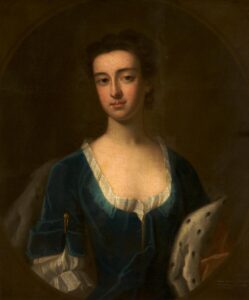
Lady Mary Booth, Countess of Stamford (1704 – 1772), a true Cheshire lady. Image from National Trust, Dunham Massey collection, NT 932303.

In this talk, Daisy Hughes explores the lives and experiences of some of the remarkable women who inhabited Cheshire’s country houses between 1600 and 1800.

Drawing on women who feature in her PhD research, she examines the often-overlooked work of the Cheshire lady, from the emotional labour of managing households, relationships and social networks to petitions, estate management and family affairs.

Through these women’s stories, the talk reveals the varied ways in which Cheshire’s country house women exercised authority, negotiated challenges and shaped the families, estates and communities around them.

Daisy Hughes is a PhD researcher at Bangor University, specialising in the history of women and country houses in Wales and Cheshire between 1600 and 1800. Daisy is also a public historian and a member of the Institute for the Study of Welsh Estates (ISWE).

Back