
Events
Our programme of public lectures and other events reflects high quality scholarship on regional and local history.
Our lecture programme is currently being held online. Please follow links to pre-book our future talks via Eventbrite. We are also adding recordings of past talks to YouTube – these will be shown here when they are available.
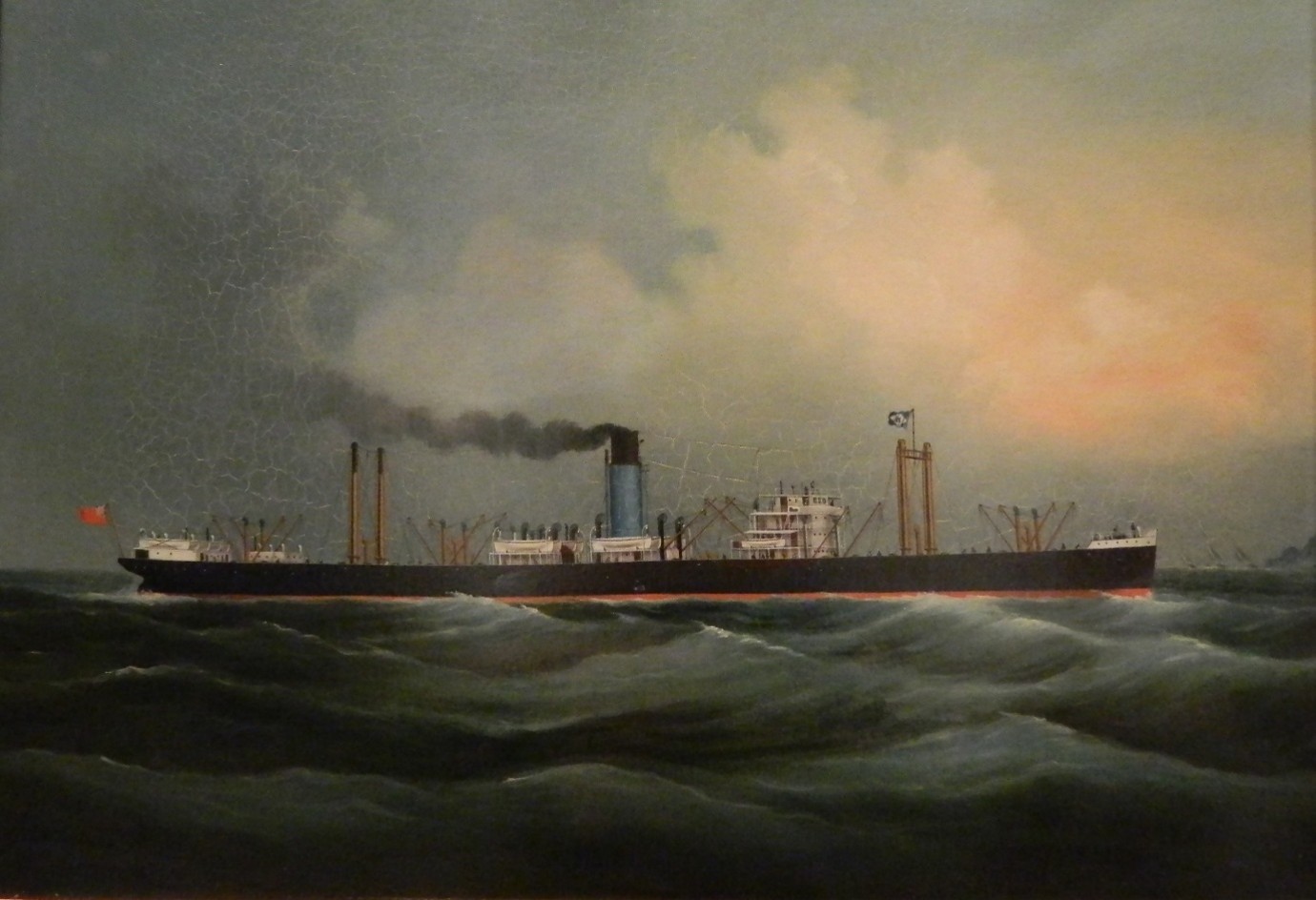 2-3pm, Wednesday 18 November 2026 (by Zoom) Seeking employment as a Ship’s Surgeon c.1905, Irish medic J.J. Abraham was advised to find ‘a ship bound East… and one belonging to a good company… Liverpool’s the place! London’s not in it with Liverpool when it comes to shipping!’ Abraham’s subsequent voyage, documented in his best-selling travelogue first published in 1911, was on SS Clytemnestra of Liverpool’s Blue Funnel Line (Ocean Steam Ship Company [OSSCo] or Alfred Holt & Company). Blue Funnel’s takeover of Glasgow-based and Manchester-linked China Mutual in 1902 confirmed the Liverpool line’s position as the UK’s leading cargo carrier to the ‘Far East’. Simultaneously, Blue Funnel was central to the growth of Liverpool’s Chinatown reckoned twice as large as London’s by the early-twentieth century. Pioneering direct steamship services from the UK to China, from its inception and first voyages (1865-6) much of Blue Funnel’s activity was concentrated on the premiere, British-dominated treaty-port of Shanghai. However, in examining seaborne ‘Informal Empire’ to the outbreak of World War One, this talk also recognises the limits of Liverpool’s influence. Blue Funnel’s reach was circumscribed by its ambiguous position betwixt industrial and financial capitalism, and strained relations with London powerbrokers. Moreover, by the end of the nineteenth century, Liverpool’s shipowner elite confronted uncertainty in China arising from internal instability and international commercial and power-political rivalry from which Shanghai was not immune.Professor Nick White: A former president of the Historic Society of Lancashire and Cheshire, Nick White is Professor of Imperial & Commonwealth History at Liverpool John Moores University and Co-Director of Liverpool’s Centre for Port & Maritime History. His previous publications include The Empire in One City? Liverpool’s Inconvenient Imperial Past (Manchester, 2008) (ed. with Sheryllynne Haggerty and Anthony Webster). Inter alia, Nick is currently working on a study of Liverpool’s experience of decolonisation in the twentieth century.Please email membership@hslc.org.uk for the Zoom link to this free online talk.Painting of the 9,076 GRT Cyclops approaching Hong Kong. U-123 sank her in 1942 with the loss of 87 lives. The painting is in the Museum of Liverpool; the artist is unknown.
Past Events
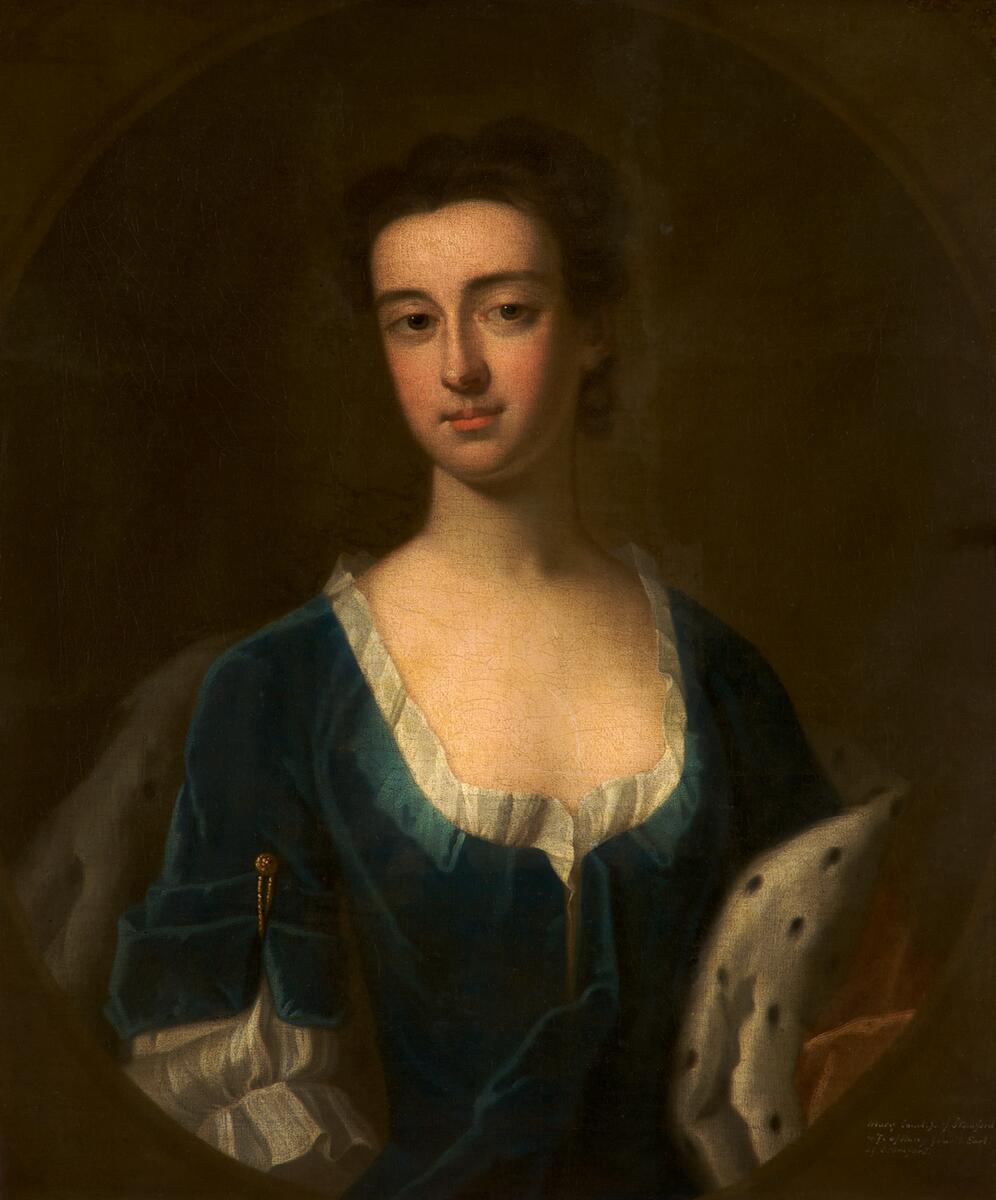 Wednesday 21 October 2026Who were the women who lived in Cheshire's country houses and halls? How did they manage their households and their families?Lady Mary Booth, Countess of Stamford (1704 – 1772), a true Cheshire lady. Image from National Trust, Dunham Massey collection, NT 932303.In this talk, Daisy Hughes explores the lives and experiences of some of the remarkable women who inhabited Cheshire’s country houses between 1600 and 1800.Drawing on women who feature in her PhD research, she examines the often-overlooked work of the Cheshire lady, from the emotional labour of managing households, relationships and social networks to petitions, estate management and family affairs.Through these women’s stories, the talk reveals the varied ways in which Cheshire’s country house women exercised authority, negotiated challenges and shaped the families, estates and communities around them.Daisy Hughes is a PhD researcher at Bangor University, specialising in the history of women and country houses in Wales and Cheshire between 1600 and 1800. Daisy is also a public historian and a member of the Institute for the Study of Welsh Estates (ISWE).
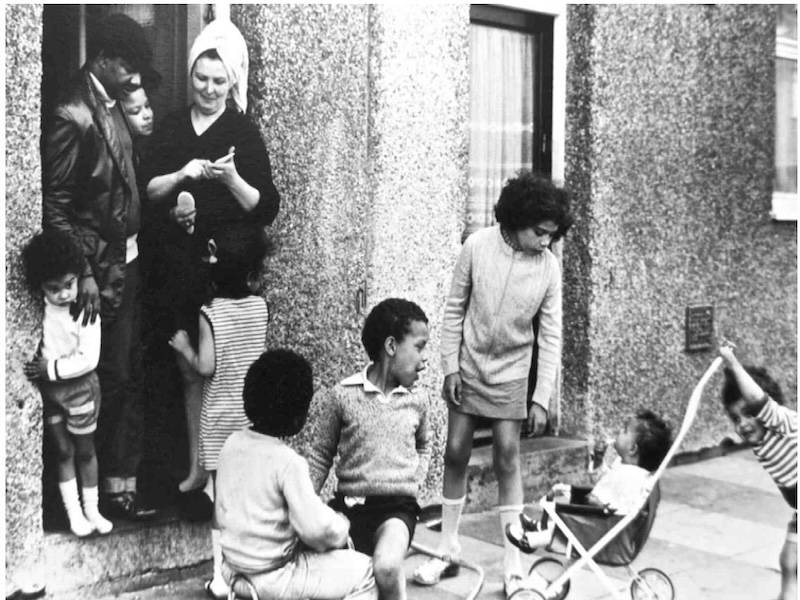 How do histories of welfare, housing, top-down urban redevelopment and economic management look when viewed from Liverpool? Another chance to see Dr Sam Wetherell comparing the postwar fate of various groups deemed to be “surplus” in the city in the 1930s and 1940s: white unemployed workers, West African seamen and Black and Chinese technicians and sailors recruited into the city during the war. The dramatic reorganisation of Liverpool’s economy and built environment hardened lines of racial difference in the city, with people of colour becoming unhoused, policed, confined to insecure work and, in some instances, deported.
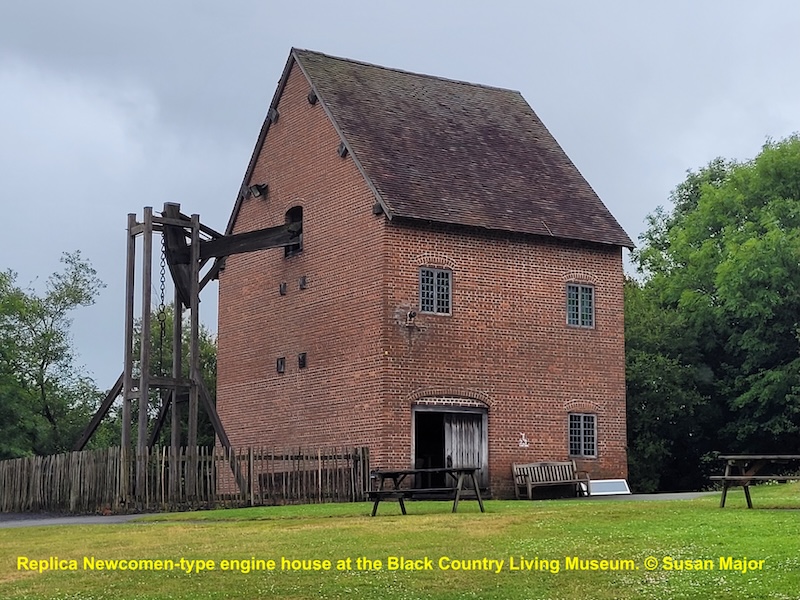 Another chance to see our February lecture: Thomas Newcomen's invention of an engine for draining mines and its first use in a coal mine in 1712, heralded the 'Industrial Revolution' in Britain. Their installation in Prescot and Whiston was at the forefront of the development of the South West Lancashire Coalfield in the eighteenth century and there is evidence that the first Newcomen-type engine in Lancashire was installed in Whiston in 1719.
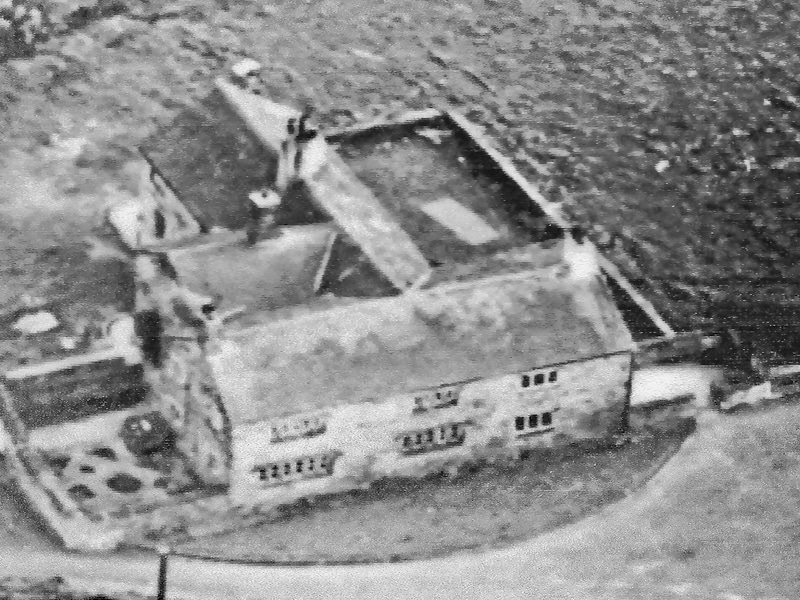 Another chance to see our November talk where Dr Steven Shuttleworth asks who were 'the gentry' and talks about the huge variations in their wealth, land ownership, and their role in society; the debate about the 'rise and fall' ir the gentry in general; what we know (or think we know) about the Lancashire gentry; and then consider how these issues are reflected in the story of his ancestors, the Shuttleworths of Asterley, near Whalley.
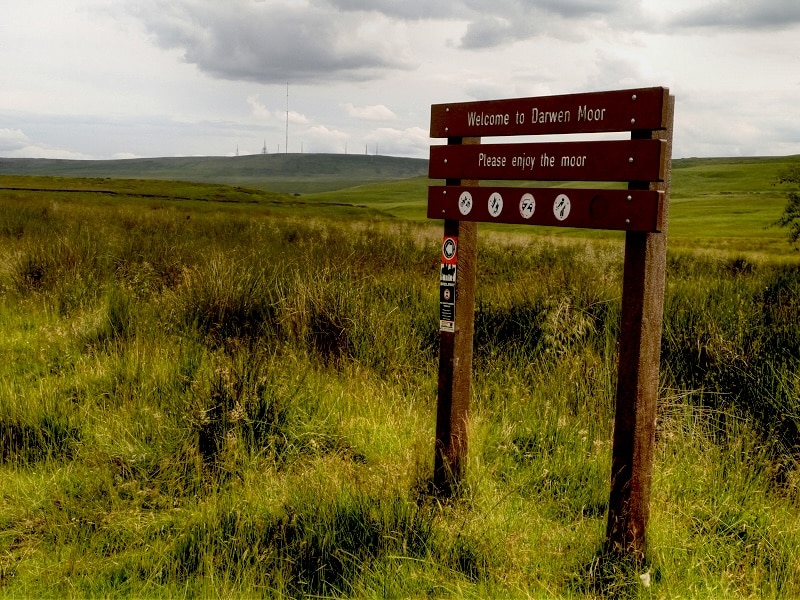 Another chance to see our October 2025 lecture where Professor Katrina Navickas examines the rise of the footpath and commons preservation movement, and some of the early contests between walkers and landowners, culminating in the famous Winter Hill dispute in 1896, and lesser well known conflicts in Darwen and other parts of the southern Pennines.
 Another chance to see our June 2025 lecture. Against a backdrop of ever-increasing social malaise and ongoing private sector inertia, Liverpool Corporation embarked upon an energetic programme of slum clearance and concomitant working-class housing construction. Such was its success that by 1914 it was, with the sole exception of the London County Council, the largest single provider of municipal social housing in country. This talk will provide an overview of both the changing nature of policy and the individual developments constructed by Liverpool Corporation in the pre-WWI period.